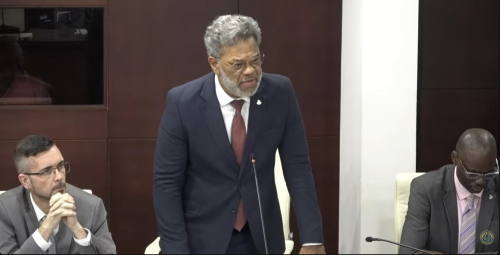
 PHILIPSBURG: --- A motion of disapproval tabled in Parliament today failed to secure a majority, but the political maneuvering behind the vote has sent an unmistakable signal to the government. While Prime Minister Dr. Luc Mercelina survived the challenge, the debate underscored growing frustration over unresolved issues plaguing the country’s emergency services.
The final tally saw five Members of Parliament voting in favor of the motion, seven voting against, and three MPs absent from the proceedings.
Coalition Unity Holds, But Pressure Mounts
The seven MPs supporting the current coalition government stood united, voting en bloc against the motion. This solidarity effectively shielded the Prime Minister from a formal reprimand. However, political observers note that this victory is largely symbolic. The heated debate preceding the vote made it clear that patience is wearing thin regarding the working conditions of firefighters and ambulance personnel.
The message delivered to Dr. Mercelina was direct: get your act together. The issues facing emergency responders—ranging from equipment shortages to operational concerns—can no longer be sidelined. While the coalition protected its leader today, the underlying grievances remain a potent political liability.
A House Divided: The PFP Split
One of the most notable developments of the session was the visible rift within the Party for Progress (PFP) faction. PFP faction leader MP Peterson cast his vote in favor of the motion, signaling a hardline stance against the government's handling of the crisis.
In a surprising turn, fellow PFP member MP Ludmilla de Weever broke with her leader to vote against the motion. This decision came despite her public proclamation during the debate that she holds a "soft spot in her heart" for the firefighters. Her vote against the disapproval motion suggests a preference for giving the government more time or perhaps a disagreement with the mechanism of a disapproval motion itself, even while acknowledging the validity of the workers' struggles.
Implications for Emergency Services
The failure of the motion does not close the book on the crisis facing St. Maarten’s first responders. If anything, it places a brighter spotlight on the Prime Minister's office. With the political opposition demonstrating their willingness to escalate matters to a vote of disapproval, the pressure is now squarely on the executive branch to deliver tangible solutions.
For the firefighters and ambulance workers watching from the sidelines, the political drama offers little immediate relief. However, the parliamentary session has forced their plight to the top of the national agenda. The seven coalition votes may have saved the Prime Minister today, but they came with an implicit condition: the situation must improve quickly.
As the dust settles on today's vote, the focus shifts back to the government administration building. The ball is now in Dr. Mercelina's court to prove that the confidence shown by the seven coalition MPs was well-placed and to resolve the critical issues threatening the safety and stability of the island's emergency services.