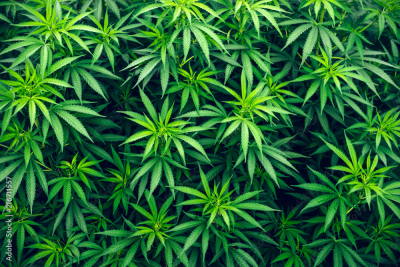
 ST. GEORGE’S, GRENADA:--- In a historic shift for Caribbean drug policy, Grenada’s Parliament has approved comprehensive legislation to decriminalize cannabis for adult use and establish a framework for a medicinal cannabis industry. The new measures represent a significant modernization of the island nation's laws, balancing personal liberties with strict public health regulations.
The legislation, passed this week, officially decriminalizes the possession of small amounts of cannabis for adults and acknowledges the religious rights of the Rastafari community, while simultaneously launching a regulated therapeutic sector.
New Possession and Cultivation Limits
Under the new law, adults aged 21 and older are now permitted to possess up to 56 grams of cannabis and 15 grams of cannabis resin. The legislation also introduces home cultivation rights, allowing households to register to grow up to four plants for private use.
These changes are designed to move users out of the criminal justice system. A major component of the bill is a retroactive amnesty program. The legislation mandates the automatic expungement of criminal records for minor cannabis offenses and the immediate discontinuation of pending legal proceedings for specified small amounts.
Religious Freedom and Rastafari Rights
A key social justice element of the bill affirms the constitutional rights of the Rastafari community. For decades, Rastafarians across the Caribbean have advocated for the right to use cannabis as a sacrament. Grenada's new law formally recognizes this right, permitting the use of cannabis within registered places of worship and at special events. Specific allowances for cultivation by the community are also included in the legislative package.
Foundation for a Medicinal Industry
Beyond personal use, the government is laying the groundwork for an economic sector focused on wellness. The legislation sets the stage for a "regulated medicinal and therapeutic cannabis industry."
According to government officials, a comprehensive national cannabis policy framework is currently in development. This forthcoming framework will detail strict protocols for cultivation, processing, research, and medicinal distribution.
Attorney General Senator Claudette Joseph acknowledged the region's shifting landscape during the proceedings. "Grenada is one of the last jurisdictions to now move in the direction of the decriminalization of cannabis and ultimately the establishment of a medical cannabis industry," she stated, noting the country is now aligning itself with broader global and regional trends in drug policy reform.
Public Safety and Health Remain Priorities
Despite the liberalization of possession laws, officials have stressed that this is not a free-for-all. Public consumption of cannabis remains strictly prohibited. Furthermore, the government has instituted severe criminal penalties for anyone found supplying cannabis to minors.
Health Minister Phillip Telesford emphasized that the government's primary focus remains public well-being rather than immediate profit.
"Our policy of decriminalization will be peered with strict regulations to protect the youths and accompanied by a robust public education campaign," Telesford said. He added that there would be strong enforcement against driving while intoxicated. "The Government prioritizes health and safety over short-term economic gains."
Telesford also clarified that while the bill allows for decriminalized possession, it does not legalize a commercial recreational market at this stage. Recreational sales remain prohibited, with the commercial focus strictly limited to the controlled medical and therapeutic sectors.
This legislative milestone places Grenada alongside other Caribbean nations that have recently moved to reform outdated cannabis laws, acknowledging the plant's cultural significance and potential therapeutic value while maintaining a cautious approach to public safety.