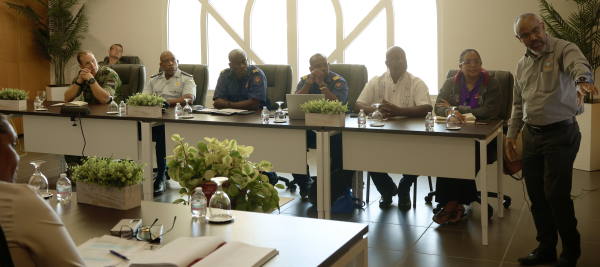
 PHILIPSBURG (DCOMM):--- The Ministry of General Affairs' Office of Disaster Management (ODM) is calling on contractors, builders, developers, and trenching and excavation companies to ensure that comprehensive storm-ready plans are in place for the 2026 Atlantic Hurricane Season.
The first named storm of the season, Arthur, formed on Wednesday near the coasts of the U.S. state of Texas; however, it has since dissipated.
With construction activities taking place across the country, ODM is emphasizing the importance of securing building sites and construction materials in advance of any tropical storm or hurricane threat. Building materials, equipment, and construction debris left unsecured can pose significant risks to public safety and property during severe weather conditions.
Contractors and site managers are reminded that all construction, trenching, and excavation sites should be capable of being secured within 48 hours of a tropical storm or hurricane threat. Advance planning is essential to ensure that appropriate actions can be taken quickly when watches or warnings are issued.
Construction materials such as plywood, zinc sheeting, shingles, lumber, scaffolding, and other loose items can become dangerous airborne projectiles during high winds. These materials have the potential to cause extensive damage to homes, businesses, vehicles, and critical infrastructure, while also posing a serious threat to life and safety.
ODM urges all construction site supervisors, foremen, and project managers to review their hurricane preparedness procedures and ensure that all personnel understand their responsibilities in the event of severe weather. Preparedness plans should apply to projects of all sizes, from residential homes to large commercial developments.
As a standard practice throughout the hurricane season, construction sites should be kept organized and free of unnecessary debris. Contractors are encouraged to arrange for the timely removal of discarded materials such as old zinc sheets, wood, and other waste products, while limiting the amount of construction supplies stored on-site to only what is required for immediate operations. Construction equipment and machinery should also be secured appropriately.
ODM further advises that any planned deliveries of construction materials should be postponed if a tropical storm or hurricane is forecast to affect Sint Maarten within 48 hours. Once a tropical storm or hurricane watch has been issued, contractors should begin implementing site security measures, including the removal or securing of scaffolding, construction materials, tools, and equipment. Cranes and other heavy machinery should be secured according to established safety procedures.
Subcontractors should also be notified of their responsibilities to secure or remove their own materials and equipment from project sites. Work activities that could be damaged by adverse weather conditions, such as window installations, landscaping, or house wrap applications, should be suspended. Priority should instead be given to tasks that reduce storm-related risks, including concrete work, enclosing structures, and filling open excavations where feasible.
ODM advises contractors not to delay preparations until the last minute. Once a tropical storm or hurricane watch is issued, site inspections should be carried out promptly to identify and address potential hazards. Early action allows contractors and employees sufficient time to secure their homes and make final personal hurricane preparations for their families.
Following the passage of a storm or hurricane, contractors and builders should only return to project sites after the Emergency Operations Center (EOC), under the direction of the Prime Minister of Sint Maarten, has issued the official All Clear. At that time, damage assessments and clean-up activities may commence in accordance with safety guidelines.
The Office of Disaster Management stresses that hurricane preparedness is a shared responsibility. Proactive planning and timely action by the construction sector can significantly reduce storm-related damage and contribute to the safety and resilience of the community during the 2026 Atlantic Hurricane Season.
The community is urged to learn more about hurricane hazards and resources you need on how to prepare your family, home, or business for a storm/hurricane strike by visiting the Government website: www.sintmaartengov.org/hurricane where you will be able to download your “Hurricane Season Readiness Guide’ and “Hurricane Tracking Chart.” The information here is also valuable for new residents.
Listen to the Government Radio station SXMGOV – 107.9FM - for official information and news before, during and after a hurricane. You can also follow weather related news and information as well as national addresses by the Prime Minister, chairperson of the Emergency Operations Center (EOC) by going to @SXMGOV Facebook Page.
For official weather-related information, check out the website of the Meteorological Department of St. Maarten (MDS): www.meteosxm.com or visit their social media page Facebook.com/sxmweather/
Remember, it only takes one hurricane to make it a bad season. Be prepared!
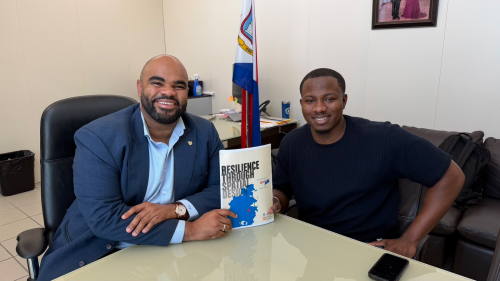 PHILIPSBURG:--- Sint Maartener Dejon Daly, a student at the Breda University of Applied Sciences, submitted his final thesis to the Ministry of VROMI, concluding his six-month internship.
 PHILIPSBURG:--- The EYoung Talent Fund (EYT FoN), established by EY Dutch Caribbean as part of its broader community impact initiatives alongside EY Cares and managed by the Cultuurfonds Caribisch Gebied (CCG), has officially expanded its reach to Sint Maarten and has awarded its first financial contribution on the island to Shanelle Kemoya Bucknor, a talented young dancer at NIA who has been accepted into the internationally renowned Alvin Ailey School in New York.
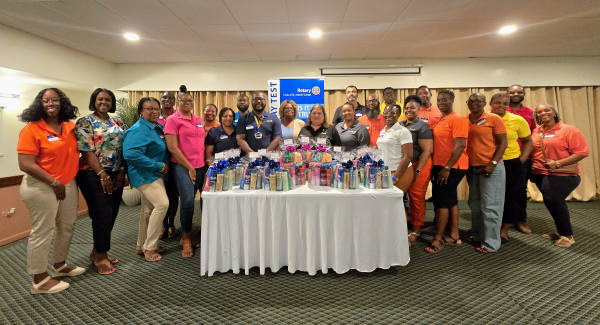 Cole Bay:--- Continuing its commitment to youth development and student well-being, the Rotary Club of St. Martin Sunset donated 14 hygiene baskets to graduating students of the Prins Willem Alexander Primary School (PWAS), marking the fifth consecutive year of this meaningful initiative.